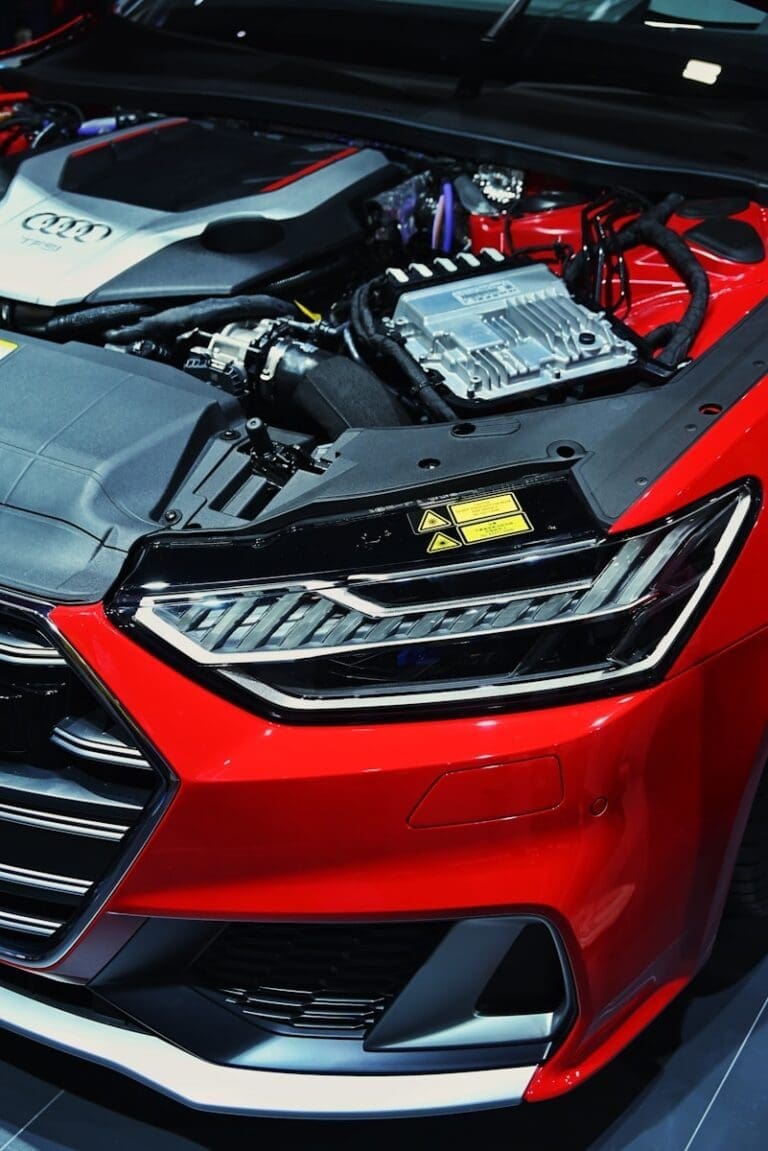
Winter Diesel Problems: Cold Start Issues & Solutions
Struggling to start your diesel in freezing temperatures? From glow plug failures to fuel gelling, winter brings unique challenges for diesel engines. Here’s everything you need to know to keep your diesel running smoothly all winter long.
When temperatures drop below freezing, diesel engines face a unique set of challenges that petrol engines simply don’t experience. If you’ve ever turned the key on a cold morning only to hear your diesel engine crank endlessly without starting—or worse, not crank at all—you’re not alone.
Winter diesel problems are incredibly common, affecting everything from cold starting and glow plug performance to fuel quality and DPF regeneration. The good news? Most winter diesel issues are preventable with the right knowledge and preparation.
In this comprehensive guide, we’ll cover the 6 most common winter diesel problems, why diesels are more vulnerable to cold weather, practical prevention strategies, and when to seek professional help.
Quick Answer: Why Won’t My Diesel Start in Winter?
Cold weather weakens batteries, stops glow plugs heating properly, and can cause diesel fuel gelling below –5°C. Blocked fuel filters and DPF issues can also trigger no-start problems. A quick check usually confirms if it’s weather-related or a real fault.
6 Common Winter Diesel Problems
1. Cold Starting Difficulties
The Problem: Diesel engines rely on compression heat to ignite fuel. In cold weather, metal components contract, reducing compression, while cold air is denser and harder to compress. This makes starting significantly harder.
Symptoms:
- Engine cranks for longer than usual before starting
- Multiple attempts needed to start
- White smoke on startup (unburned fuel)
- Rough running for first few minutes
Solutions:
- Wait for glow plug light to go out before starting (15-30 seconds in extreme cold)
- Turn ignition on twice to pre-heat glow plugs longer
- Keep battery fully charged (cold reduces capacity by 30-50%)
- Use engine block heater if available
- Park in garage or sheltered area when possible
2. Glow Plug Failure
The Problem: Glow plugs heat the combustion chamber to aid cold starting. When they fail, diesel engines struggle or refuse to start in cold weather. Glow plugs typically last 60,000-100,000 miles but can fail prematurely.
Symptoms:
- Hard starting or no start in cold weather
- Glow plug warning light stays on
- Excessive white smoke on startup
- Rough idle when cold
- Fault codes P0380-P0387
Solutions:
- Test glow plugs before winter (resistance test or current draw test)
- Replace all glow plugs together (£150-£400 depending on engine)
- Check glow plug relay and timer module
- Don’t ignore glow plug warning light
3. Fuel Gelling (Waxing)
The Problem: Diesel fuel contains paraffin wax that solidifies when temperatures drop below -5°C to -15°C (depending on fuel grade). These wax crystals block fuel filters and lines, starving the engine of fuel.
Symptoms:
- Engine starts then dies after a few seconds
- Loss of power or won’t rev beyond idle
- Fuel filter appears cloudy or gel-like
- Problem worse after vehicle sits overnight in extreme cold
Solutions:
- Use winter-grade diesel (UK forecourts switch automatically in winter)
- Add diesel anti-gel additive before temperatures drop (not after gelling occurs)
- Keep fuel tank at least half full (reduces condensation and wax formation)
- Park in heated garage when possible
- If fuel has gelled: move vehicle to warm area, replace fuel filter, add anti-gel treatment
4. Battery Weakness
The Problem: Cold weather reduces battery capacity by 30-50%, while diesel engines require 2-3x more cranking power than petrol engines due to higher compression. A battery that’s fine in summer can fail completely in winter.
Symptoms:
- Slow cranking or clicking sound
- Lights dim when trying to start
- Multiple attempts needed to start
- Battery warning light
- Electrical systems weak or failing
Solutions:
- Test battery health before winter (free at most garages)
- Replace batteries over 4-5 years old
- Keep battery terminals clean and tight
- Use battery maintainer/trickle charger if vehicle sits for days
- Avoid short journeys that don’t allow full recharge
- Turn off all electrical accessories before starting
5. DPF Regeneration Problems
The Problem: DPF (Diesel Particulate Filter) regeneration requires sustained high temperatures (600°C+). Short winter journeys, combined with cold ambient temperatures, prevent proper regeneration, leading to DPF blockages.
Symptoms:
- DPF warning light illuminated
- Loss of power or limp mode
- Increased fuel consumption
- Rough idle or poor performance
- Strong diesel smell from exhaust
Solutions:
- Take weekly 20-30 minute motorway runs at 2,500+ RPM
- Avoid excessive idling to warm up
- Use higher-quality diesel fuel
- Monitor DPF soot level if your vehicle displays it
- Get professional DPF cleaning if warning light appears (£150-£400)
- Consider forced regeneration if passive regen isn’t working
6. Air in Fuel System
The Problem: Temperature fluctuations cause fuel to expand and contract, potentially drawing air into the fuel system through small leaks in seals, O-rings, or fuel lines. Air prevents proper fuel delivery.
Symptoms:
- Engine starts then dies immediately
- Rough running or misfiring
- Loss of power under load
- Hard starting after sitting overnight
- White smoke from exhaust
Solutions:
- Bleed fuel system (manual or self-priming pump)
- Check fuel filter housing for cracks or loose connections
- Inspect fuel lines for damage or perishing
- Replace fuel filter and O-rings
- Professional leak testing if problem persists
Why Are Diesel Engines More Affected by Cold Weather?
Diesel engines face unique winter challenges that petrol engines don’t experience:
Compression Ignition
Diesels rely on compression heat (not spark plugs) to ignite fuel. Cold air is denser and harder to compress, reducing combustion chamber temperatures below the ignition point of diesel fuel (approximately 210°C).
Fuel Properties
Diesel fuel contains paraffin wax that solidifies in cold temperatures. Petrol remains liquid down to -40°C, while diesel can gel at -5°C to -15°C without winter additives.
Higher Cranking Power
Diesel engines have compression ratios of 14:1 to 25:1 (vs 8:1 to 12:1 for petrol), requiring 2-3x more battery power to crank—exactly when battery capacity is reduced by cold.
How to Prevent Winter Diesel Problems
Most winter diesel issues can be avoided with proper preparation and maintenance. Here’s your complete pre-winter checklist:
Pre-Winter Diesel Maintenance Checklist
Battery & Electrical (Most Important)
- ✓ Test battery health (free at most garages) – replace if over 4-5 years old
- ✓ Clean battery terminals and check connections
- ✓ Test alternator charging output (13.8-14.4V)
- ✓ Check all electrical connections for corrosion
Glow Plugs & Starting System
- ✓ Test glow plug operation (resistance or current draw test)
- ✓ Replace glow plugs if over 60,000 miles or showing signs of failure
- ✓ Check glow plug relay and timer module
- ✓ Inspect starter motor operation
Fuel System
- ✓ Replace fuel filter (especially if over 20,000 miles)
- ✓ Add diesel anti-gel additive before first frost
- ✓ Keep fuel tank at least half full to reduce condensation
- ✓ Use premium diesel with winter additives
- ✓ Check fuel lines and connections for leaks
Engine & Cooling
- ✓ Check antifreeze concentration (-25°C minimum protection)
- ✓ Inspect coolant hoses for cracks or perishing
- ✓ Change engine oil to correct winter viscosity (5W-30 or 0W-30)
- ✓ Check engine block heater if fitted
DPF & Emissions
- ✓ Check DPF soot level and perform regeneration if needed
- ✓ Inspect EGR valve operation
- ✓ Top up AdBlue if your vehicle uses it
- ✓ Plan regular longer journeys to maintain DPF health
General Checks
- ✓ Check all warning lights are functioning
- ✓ Inspect drive belts for wear or cracks
- ✓ Test heating system (demisting is crucial for safety)
- ✓ Keep emergency kit in vehicle (jump leads, torch, blanket)
Pro Tip: Book a pre-winter health check in October or November. A £50-£100 inspection can prevent a £500+ breakdown in January.
Daily Winter Driving Tips for Diesel Owners
Beyond pre-winter preparation, these daily habits will keep your diesel running smoothly all winter:
🔑 Starting
- Wait for glow plug light to go out
- Turn ignition on twice in extreme cold
- Don’t crank for more than 10 seconds
- Wait 30 seconds between attempts
🚗 Driving
- Don’t idle to warm up (wastes fuel, clogs DPF)
- Drive gently for first 5 minutes
- Take weekly motorway runs for DPF regen
- Avoid very short journeys when possible
⛽ Fuel
- Keep tank above half full
- Fill up at busy stations (fresher fuel)
- Add anti-gel before cold snaps
- Use premium diesel in extreme cold
🔋 Battery
- Turn off all accessories before starting
- Avoid short journeys that don’t recharge battery
- Use battery maintainer if car sits for days
- Keep jump leads in boot
When to Get Professional Help
Some winter diesel problems require professional diagnostics and repair. Seek expert help if you experience:
- Persistent no-start conditions – After trying basic troubleshooting (battery, glow plugs, fuel)
- Warning lights that won’t clear – DPF, glow plug, engine management, or AdBlue warnings
- Unusual noises – Grinding, rattling, or knocking from engine or starter
- Fuel system issues – Air in system, suspected gelling, or filter blockages
- Electrical problems – Battery draining overnight, charging system faults
- Performance issues – Loss of power, rough running, or excessive smoke (see our guide on common diesel engine faults)
- Turbo problems – Loss of boost or turbo-related symptoms (read our turbo boost problems guide)
At Pro Remapping, we offer comprehensive winter diesel diagnostics including battery testing, glow plug checks, fuel system inspection, and DPF health assessment. Our mobile service means we can come to you—essential if your vehicle won’t start.
Don’t Get Caught Out This Winter
Book your pre-winter diesel health check today. We’ll test your battery, glow plugs, fuel system, and DPF to ensure you’re ready for the cold months ahead.
Book Winter Check →Or call us: 01782 123456 | Mobile service available
Emergency Troubleshooting: Diesel Won’t Start in Cold
If you’re stuck with a diesel that won’t start on a cold morning, try these steps in order:
Step-by-Step Cold Start Troubleshooting
Step 1: Check the Basics
- Is the battery charged? (lights bright, strong cranking sound)
- Is there fuel in the tank? (at least 1/4 full)
- Are there any warning lights on the dashboard?
- Has the vehicle been sitting in extreme cold overnight?
Step 2: Optimize Starting Procedure
- Turn ignition to ON position (don’t crank)
- Wait for glow plug light to go out (15-30 seconds)
- Turn ignition OFF, then ON again (double pre-heat)
- Wait for glow plug light again
- Turn off all accessories (lights, radio, heating)
- Crank engine for maximum 10 seconds
- If it doesn’t start, wait 30 seconds and repeat
Step 3: If Still Won’t Start
- Weak cranking: Jump start or charge battery
- Strong cranking but no start: Likely glow plugs or fuel issue
- Starts then dies: Possible fuel gelling or air in system
- No cranking at all: Battery dead or starter motor fault
⚠️ Important: Don’t crank continuously for more than 10 seconds or make more than 5 attempts without a break. This can damage the starter motor and drain the battery completely. If the vehicle won’t start after 3-4 proper attempts, call for professional help.
Best Diesel Fuel Additives for Winter
Quality fuel additives can prevent many winter diesel problems. Here’s what to look for:
| Additive Type | What It Does | When to Use |
|---|---|---|
| Anti-Gel | Prevents wax crystal formation in fuel | Before temperatures drop below 0°C |
| De-Icer | Removes water and ice from fuel system | If you suspect water contamination |
| Cetane Booster | Improves combustion and cold starting | Regular use in winter months |
| Injector Cleaner | Removes carbon deposits, improves spray pattern | Every 3,000-5,000 miles |
| All-in-One Winter | Combines anti-gel, de-icer, cetane boost | Best option for most drivers |
Recommended brands: Wynn’s, Redex, STP, Millers Oils, Liqui Moly
Cost: £5-£15 per bottle (treats 40-60 litres)
Important: Add anti-gel additives BEFORE fuel gels. They cannot reverse gelling once it’s occurred.
Improve Winter Performance with ECU Remapping
If your diesel feels sluggish even after addressing winter issues, the problem might not be mechanical—it could be your ECU settings. Modern diesel engines are often restricted by conservative factory maps that prioritize emissions over performance.
A professional ECU remap can transform your winter driving experience:
- Better cold-start performance – Optimized fuel delivery and glow plug timing
- Improved throttle response – Especially noticeable in cold weather
- More low-end torque – Easier pulling away on icy roads
- Reduced turbo lag – Smoother power delivery (learn more about turbo boost issues)
- Better fuel economy – When driven sensibly, remapped engines use less fuel
- Reduced DPF regeneration frequency – Higher exhaust temperatures aid passive regen
At Pro Remapping, we offer mobile ECU remapping services throughout Stoke-on-Trent and surrounding areas, with a free BHP check before and after to prove the gains.
Frequently Asked Questions
Why won’t my diesel start in cold weather but starts fine in summer?
Cold weather affects diesel engines in multiple ways: batteries lose 30-50% capacity, diesel fuel can gel, glow plugs must work harder, and compression heat is reduced due to cold metal components. If your diesel starts fine in summer but struggles in winter, the most likely causes are weak battery, failing glow plugs, or fuel quality issues. Get a pre-winter health check to identify and fix these problems before they leave you stranded.
At what temperature does diesel fuel gel?
Standard diesel fuel begins to gel (form wax crystals) between -5°C and -15°C, depending on the fuel grade and additives. In the UK, forecourts automatically switch to winter-grade diesel (with anti-gel additives) from November to March, which remains liquid down to approximately -15°C. If temperatures drop below -15°C, or you’re using summer diesel in winter, fuel gelling becomes a serious risk. Always use winter diesel and consider adding anti-gel additives if extreme cold is forecast.
How long should I let my diesel warm up in winter?
You should NOT idle your diesel to warm it up. Modern diesels warm up faster under light load than idling, and excessive idling causes incomplete combustion, carbon buildup, and DPF clogging. Instead: wait for the glow plug light to go out, start the engine, let it idle for 30-60 seconds maximum, then drive gently for the first 5 minutes. Avoid high RPM or heavy acceleration until the temperature gauge shows normal operating temperature.
Can I use a petrol engine block heater on a diesel?
Yes, engine block heaters work on both petrol and diesel engines, but they’re particularly beneficial for diesels due to higher compression and cold-start difficulties. Block heaters (also called frost plugs or coolant heaters) pre-warm the engine block and coolant, making starting easier and reducing wear. They cost £50-£150 to install and use minimal electricity (typically 400-1500W). If you regularly face temperatures below -10°C or have a diesel that struggles in cold weather, a block heater is an excellent investment.
Why does my DPF light come on more in winter?
DPF (Diesel Particulate Filter) problems are much more common in winter because regeneration requires sustained high exhaust temperatures (600°C+). In winter, short journeys, cold ambient temperatures, and stop-start traffic prevent the DPF from reaching regeneration temperature, causing soot to accumulate. To prevent this: take a 20-30 minute motorway run weekly at 2,500+ RPM, avoid excessive idling, and don’t turn off the engine if you notice the cooling fan running (indicates active regeneration). If the DPF warning light appears, read our DPF cleaning cost guide for solutions.
Should I replace all glow plugs or just the faulty one?
It’s best to replace all glow plugs together, even if only one has failed. Glow plugs typically last 60,000-100,000 miles, so if one fails, the others are likely near the end of their life. Replacing all at once ensures even heating across all cylinders, improves cold starting reliability, and saves on labour costs (you only pay for removal/installation once). Individual glow plug replacement costs £30-£60, while replacing a full set costs £150-£400 depending on your engine—but you won’t need to do the job again for another 60,000+ miles.
Related Articles You Might Find Helpful
Common Diesel Engine Faults & Warning Lights
Complete guide to diesel warning lights and what they mean
Turbo Boost Problems: Loss of Power & Fixes
Diagnose and fix turbo boost issues causing power loss
DPF Cleaning Cost Guide 2025
Everything you need to know about DPF cleaning prices
ECU Remapping Benefits Explained
How remapping improves power, economy, and performance
❄️ Winter-Proof Your Diesel Today
Don’t wait until you’re stranded on a freezing morning. Book your comprehensive winter diesel health check now and drive with confidence all season long. We check battery, glow plugs, fuel system, DPF, and more.
Book Your Winter Check Now →📞 Call 01782 123456 | 🚗 Mobile Service Available Across Stoke & Staffordshire