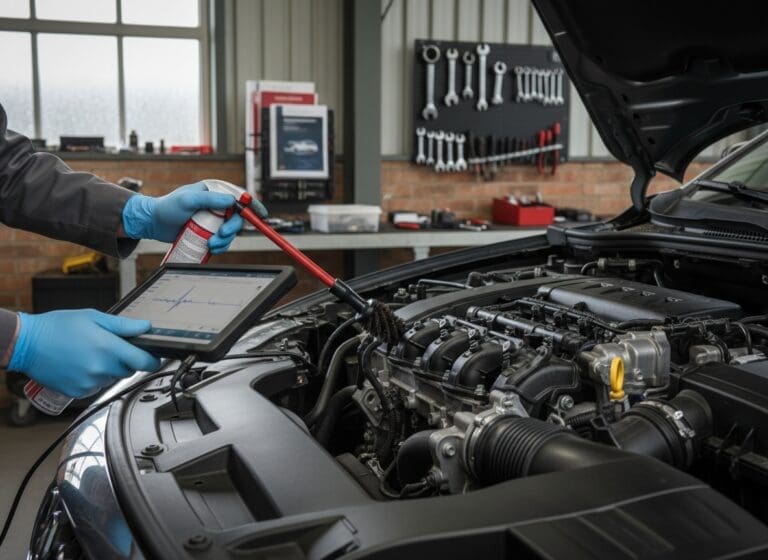

EGR Valve (EGR) valve is a crucial component in modern vehicles, playing a significant role in reducing emissions and improving engine efficiency. Despite its importance, many drivers are unaware of its function until problems arise. This article will provide a detailed overview of what an EGR valve is, how to identify if it is failing, and the solutions available to address common issues associated with EGR valve failure.
Understanding the EGR Valve

What Is an EGR Valve?
The EGR valve is part of a vehicle’s emissions control system. Its primary function is to recirculate a portion of the exhaust gases back into the engine’s intake manifold. By doing so, it reduces the amount of nitrogen oxides (NOx) produced during combustion. NOx gases contribute significantly to air pollution and smog formation, so reducing their emissions is crucial for meeting environmental regulations and improving air quality.
How Does the EGR Valve Work?
The EGR valve operates by opening and closing at specific times to allow a controlled amount of exhaust gases to enter the intake manifold. This process achieves several key outcomes:
- Reduction of Combustion Temperature: Reintroducing exhaust gases into the combustion chamber lowers the temperature of the combustion process. This helps in reducing the formation of NOx gases, which are produced at high temperatures.
- Improved Fuel Efficiency: By lowering combustion temperatures and optimizing the air-fuel mixture, the EGR valve can contribute to better fuel efficiency.
- Enhanced Engine Performance: Properly functioning EGR systems can help maintain engine performance and smooth operation by preventing excessive buildup of NOx gases.
Signs of EGR Valve Failure
An EGR valve can fail due to several factors, including carbon buildup, mechanical wear, or electrical issues. Identifying the symptoms of a failing EGR valve is essential for timely maintenance and repair. Here are some common signs that your EGR valve may be malfunctioning:
1. Check Engine Light
One of the first indicators of EGR valve issues is the illumination of the check engine light on your dashboard. The vehicle’s Engine Control Unit (ECU) monitors various sensors, including those related to the EGR system. If it detects irregularities, it triggers the check engine light.
2. Rough Idling and Stalling
A faulty EGR valve can cause irregularities in engine idle speed. You may notice rough idling, where the engine vibrates or runs unevenly at low speeds. In severe cases, the engine might stall unexpectedly, making the vehicle difficult to drive.
3. Poor Acceleration
If the EGR valve is not functioning correctly, it can lead to poor acceleration. This is often due to an imbalanced air-fuel mixture, which affects engine performance. You may experience sluggish acceleration or a noticeable drop in power when pressing the gas pedal.
4. Increased Emissions
A malfunctioning EGR valve can lead to increased emissions, including higher levels of NOx gases. If you notice excessive smoke from the exhaust or a significant drop in fuel economy, the EGR valve could be the culprit.
5. Engine Knocking or Ping
Engine knocking or pinging occurs when the air-fuel mixture ignites prematurely in the combustion chamber. A faulty EGR valve can cause abnormal combustion temperatures, leading to knocking sounds or pinging noises.
6. Failed Emissions Test
If your vehicle fails an emissions test, it could be due to a malfunctioning EGR valve. Since the EGR system is integral to controlling emissions, any issues with the valve can result in elevated levels of harmful gases.
Diagnosing EGR Valve Issues
Proper diagnosis of EGR valve problems involves several steps to ensure accurate identification of the issue. Here’s how you can diagnose potential EGR valve failure:
1. Check for Diagnostic Trouble Codes (DTCs)
Using an OBD-II scanner, you can read diagnostic trouble codes that indicate issues with the EGR system. Common codes related to the EGR valve include P0400 (EGR Flow Malfunction), P0401 (Insufficient EGR Flow), and P0402 (Excessive EGR Flow). These codes can guide you in pinpointing the exact problem.
2. Inspect the EGR Valve
Visual inspection of the EGR valve can help identify obvious issues such as carbon buildup or physical damage. Look for signs of clogging or contamination, which can affect the valve’s performance.
3. Test the EGR Valve Operation
You can test the EGR valve by applying a vacuum to it (for vacuum-operated valves) or using an electronic diagnostic tool (for electronic valves). The valve should open and close smoothly in response to the applied vacuum or signal. If it fails to respond correctly, it may be faulty.
4. Check for Carbon Buildup
Carbon buildup is a common issue that affects the EGR valve’s operation. Remove the EGR valve and inspect it for carbon deposits. Cleaning or replacing the valve may be necessary if the buildup is significant.
5. Examine Related Components
Sometimes, issues with the EGR valve are linked to other components in the emissions system. Check related parts, such as the EGR cooler, intake manifold, and vacuum lines, for signs of damage or malfunction.
Solutions for EGR Valve Failure

Addressing EGR valve issues involves several potential solutions, depending on the nature and severity of the problem. Here’s how you can resolve common EGR valve issues:
1. Cleaning the EGR Valve
Carbon buildup is a frequent cause of EGR valve malfunction. If the valve is clogged but otherwise in good condition, cleaning it may restore proper function. Use an EGR valve cleaner or carburetor cleaner to remove carbon deposits. Ensure that all passages and ports are thoroughly cleaned.
2. Replacing the EGR Valve
If cleaning does not resolve the issue or the valve is damaged, replacing it may be necessary. When choosing a replacement EGR valve, ensure it matches the specifications for your vehicle. Use a high-quality OEM (Original Equipment Manufacturer) or aftermarket part to guarantee compatibility and reliability.
3. Repairing Related Components
In some cases, EGR valve failure may be linked to other components in the emissions system. Repair or replace related parts such as the EGR cooler, vacuum lines, or intake manifold gaskets if they are found to be defective.
4. Resetting the ECU
After replacing or repairing the EGR valve, it may be necessary to reset the vehicle’s ECU. Disconnecting the battery for a few minutes or using an OBD-II scanner to clear the trouble codes can help reset the system and turn off the check engine light.
5. Regular Maintenance
Preventative maintenance can help avoid EGR valve issues. Regularly check and clean the EGR system, and follow your vehicle manufacturer’s maintenance schedule. Addressing minor issues early can prevent more significant problems down the road.
Conclusion
The EGR valve plays a vital role in controlling emissions and maintaining engine performance. Understanding its function, recognizing the signs of failure, and knowing how to address issues can help keep your vehicle running smoothly and efficiently. Regular inspection and maintenance are key to ensuring the EGR system operates effectively, contributing to better fuel economy, reduced emissions, and overall engine health.
If you suspect an issue with your EGR valve, timely diagnosis and appropriate action are crucial. Whether it involves cleaning the valve, replacing it, or addressing related components, taking prompt measures can prevent further damage and ensure your vehicle continues to perform at its best.